You've Noticed Something
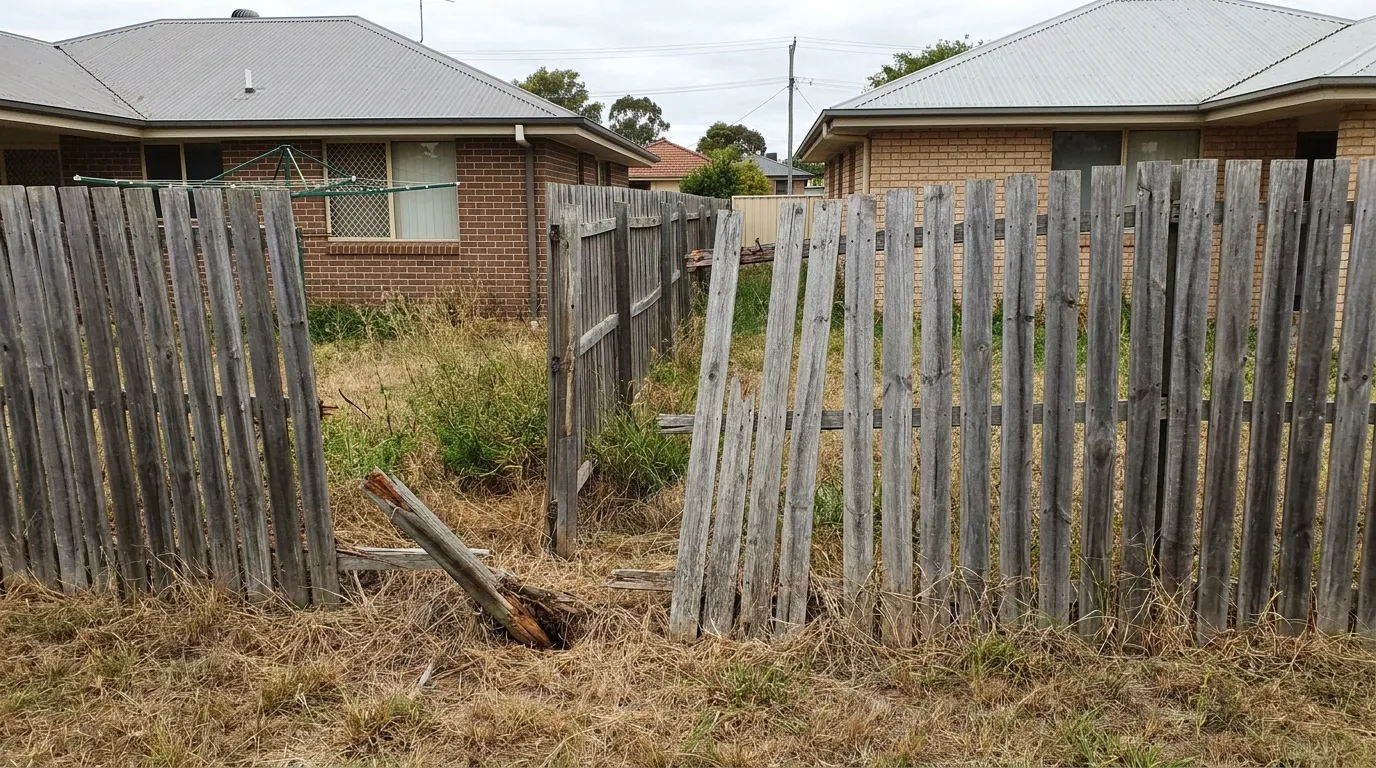
Maybe it started small. A section that leaned a little further after each storm. A post that wobbled. A gap the dog found. Or you've just built and the yard is wide open.
Most people put off fencing for a while. It isn't exciting, it often involves a conversation with the neighbour, and it's hard to know what a fair price looks like. That is completely normal.
The worries are usually the same: what kind of fence should I get, who do I call, and am I about to be ripped off? This site exists to answer those three questions as plainly as we can.
What Usually Goes Wrong
Almost every fence fails at the posts first. Timber posts rot where they meet damp soil, and termites find them. Steel posts rust when soil, mulch or garden beds are piled against them. Posts that weren't set deep enough lean after heavy rain or strong wind.
Around Goulburn, cold frosty winters, strong westerly winds and ground that ranges from heavy clay to rock are all hard on fence posts. Once the posts go, the rails sag, palings split or pop off, sheets bend and gates stop closing properly.
Is It Urgent?
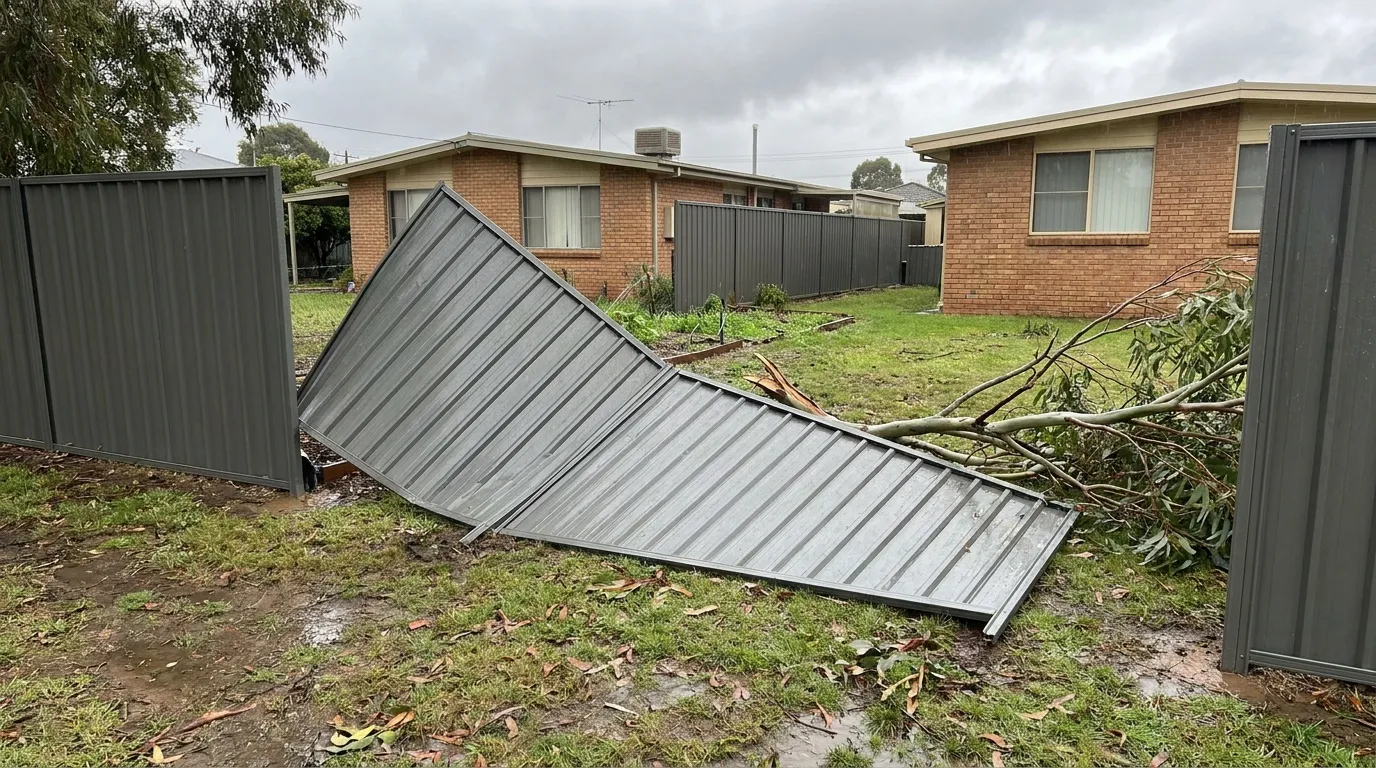
Usually not, but some things shouldn't wait. A pool gate or pool fence that doesn't close and latch properly is a safety risk for children. A fence that has blown over has sharp edges and may let pets or stock out. An old fibro fence that is cracked or broken may contain asbestos and shouldn't be disturbed.
Otherwise, fixing a few posts early is usually cheaper than replacing a whole fence that has been left to fall over.
Your Options
- Repair: a few posts, panels or palings replaced and the fence straightened. The cheapest fix when the rest is sound.
- Colorbond: steel sheets and posts. Low maintenance and termite proof. The most popular new fence.
- Timber: paling, lapped and capped or hardwood. A natural look and a little cheaper up front.
- Pool fencing: glass or aluminium, built to the pool barrier standard.
- Gates and rural fencing: from a side gate to an automatic driveway gate or a few hundred metres of stock fence.
A typical 30 m Colorbond boundary fence often costs around $3,300 to $5,700, and you may be able to share that with your neighbour. See typical costs on our fencing cost guide, and get a rough figure for your job with the cost estimator.
Who Do I Call?
That is where we come in. Our job is to make it easy to get the right person out to measure up, without ringing around.
When you call 02 3821 9552 or fill in the form, our booking assistant takes down your details and what you need. We then pass your enquiry to one licensed fencing contractor who works in your area. They call you, arrange a time, measure up and give you a written quote. The quote is free and you are under no obligation.
Am I About to Be Ripped Off?
Here's how we help you go in with your eyes open:
- Your details go to one fencer. We don't sell your enquiry to a list of tradies who all ring you at once.
- We only refer licensed fencers. You can check any contractor licence yourself on the NSW Government's licence check.
- Prices are out in the open. Our cost guide shows typical ranges, so you can tell whether a quote is in the right ballpark.
- It costs you nothing. Using this service is free for homeowners, and you are never obliged to go ahead.
Read exactly how referrals work, including how we may be paid, on our referral disclosure page.